

Arthur Cornwall 2026 · Canterbury Dairy
Seven seasons maintenance free. 19% less amperage drawn by pump, nitrogen more than halved, and soil moisture to the full depth of a 250mm probe where it previously stopped at 150mm.
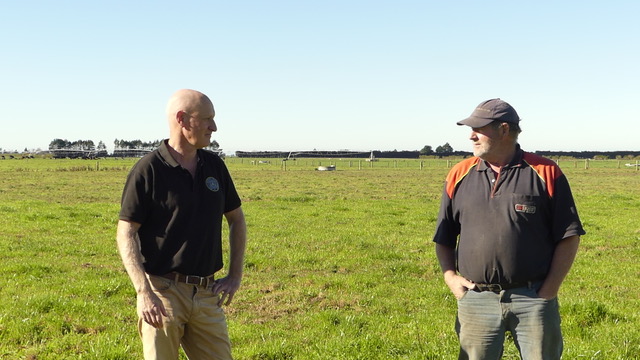
Conducted by Video interview with Arthur Cornwall recorded 14 May 2026.
- LOCATION
- Canterbury Plains, New Zealand
- PERIOD
- Seven seasons · units installed 2019 · interview 14 May 2026
- EQUIPMENT
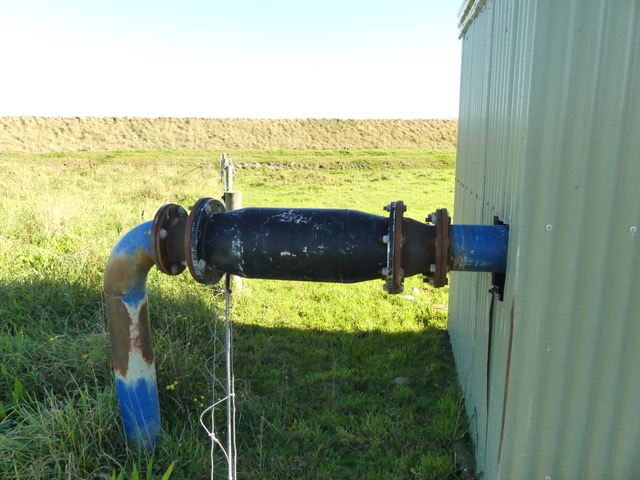
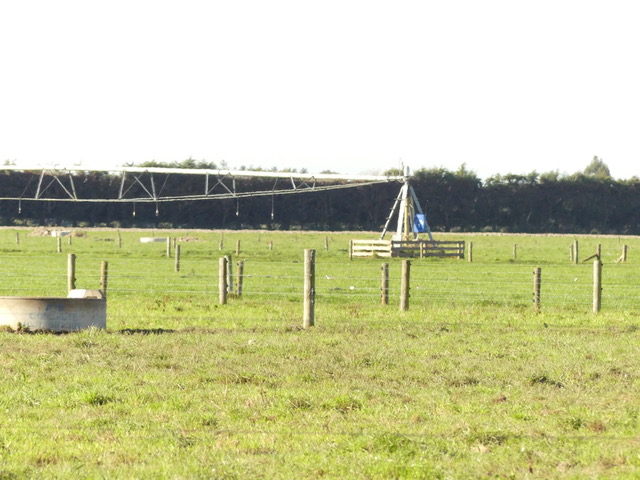
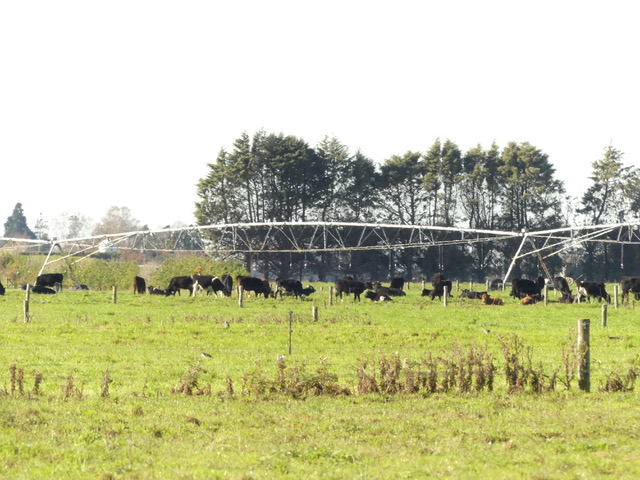
- President Water vortex generators on a 160-hectare center pivot
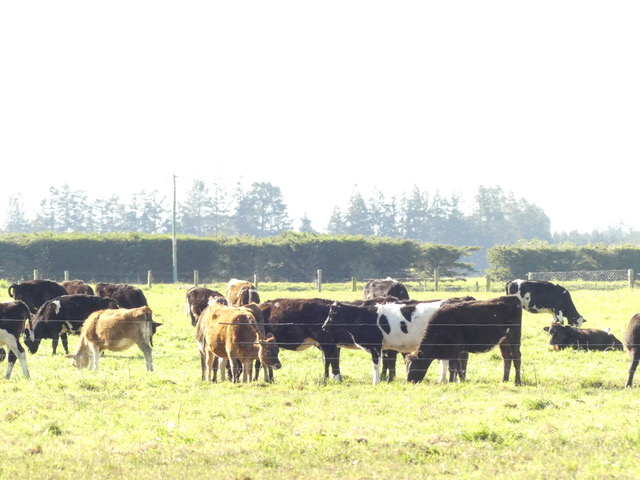
From the site, on camera
On the farm
Read the underlying report
Every figure on this page is traceable to the documents below. Nothing is modelled, estimated, or extrapolated.
CITATIONCornwall, A. (2026). Update 6 Years On: Arthur Cornwall, Dairy Farmer, on Vortex Structured Water. Video interview recorded 14 May 2026, Canterbury Plains, New Zealand. Units installed 2019.
What the trial measured
Water penetration and irrigation efficiency
THE STANDOUT RESULT- Soil wetting reaches the full 250mm depth of the probe, where previously it stopped at roughly 150mm.
- The pivot company's own soil-moisture monitoring recorded at least 25% better penetration in a single round after installation.
- Their technician initially suspected a machine calibration fault because the readings ran so far above other clients on the same system.
- Cornwall now runs about 15mm per pass and rests the pivot for a couple of days, rather than watering continuously.
- Through a dry November 2025 he applied under 30mm a week against regional guidance of about 35mm, with pasture still keeping up.
- Proposed mechanism, offered by the interviewer rather than sourced to a study: lowering the water's oxidation reduction potential changes how it interacts with negatively charged soil, spreading it through the profile instead of channelling down the path of least resistance.
Nutrient and fertilizer efficiency
- Nitrogen use fell from a historic target of 60 units to 20, rising to 40 only in years with a supplementary crop.
- Applied as sulphate of ammonia, with urea avoided: typically one spring application plus two or three foliar feeds.
- Cornwall attributes the reduction to more even penetration meaning less nitrogen is pushed past the root zone.
- That matters directly in Canterbury, where nitrate in groundwater is a live regional concern.
- No pasture yield or tonnage data was recorded alongside the reduction, so this is a satisfaction claim rather than a paired comparison.
Energy, reliability and soil biology
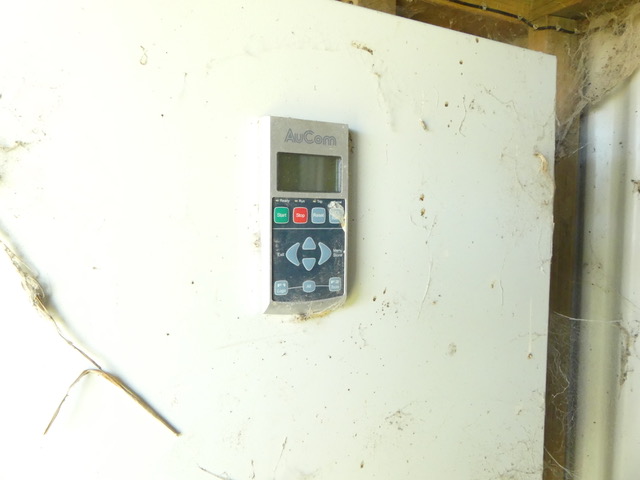
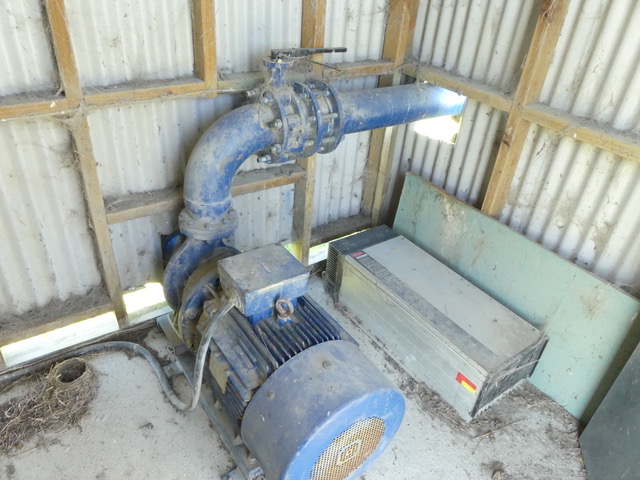
- Pump draw on the 160-hectare pivot fell from 89 to 72 amps, about 19%, within thirty minutes of activation.
- No dollar figure was calculated on camera for the electricity saving.
- Seven seasons of operation with zero faults and no warning lights.
- Earthworm counts on the same ground rose from effectively zero, worms were relocated by hand when found, to 10 to 20 per dig within five years.
- The farm is pursuing further soil biology work including a study on fungal ratios.
Drought resilience
- Through the 2020 drought, neighbouring farms were visibly stressed while Cornwall's pasture held up.
- Through the November 2025 dry spell the pivot ran continuously at 15mm per pass on a roughly four-day rotation.
- That delivered under 30mm a week against 35mm regional guidance, with pasture still performing.
- Both accounts are qualitative comparisons, not measured pasture growth data.
“For the investment, it's a no-brainer.”
Six years is the useful part. Most testimonials catch a grower in the first flush of a new purchase. This one catches a farmer seven seasons in, on his second property, still running the same units with nothing having failed.
The penetration result is the one with an outside witness. The pivot company's own monitoring flagged it, and their technician's first instinct was that the machine must be miscalibrated because the numbers did not look like anyone else's. That is a third party reacting to data before anybody framed it as a result.
The nitrogen number carries the most commercial weight and the most regional relevance. Going from 60 units to 20 in Canterbury, where nitrate leaching into groundwater is a regulatory pressure point, is a different conversation from saving money on fertilizer.
None of this was measured against a control. There is no untreated pivot on the same farm, no yield tonnage to sit beside the fertilizer cut, and the 25% penetration figure is Cornwall's recollection of the pivot company's report rather than the report itself. The amp reduction was not isolated from pivot speed, pressure or seasonal load. Read it as a long-running operator's account, which is what it is.
Trial at a glance
- OPERATION
- Dairy, 160-hectare center pivot, Canterbury Plains, New Zealand
- IN SERVICE
- Seven consecutive seasons, first on a smaller property, five years on the current farm
- INSTALLED
- 2019
- INTERVIEW
- Six-year update recorded 14 May 2026
- MEASUREMENT
- Farmer's own observation, plus the pivot company's soil-moisture monitoring
- SOIL PROBE
- 250mm probe, wetting depth before and after
- ENERGY
- Pump amperage read at the meter, 89 amps against 72
- NITROGEN
- Sulphate of ammonia only, urea avoided, one spring plus two to three foliar feeds
- SOIL BIOLOGY
- Informal earthworm counts per dig, not a laboratory assay
- CONTROL
- None. Comparison is against the farm's own prior practice
President Water Company · presidentwater.com · Arthur Cornwall 2026 · Canterbury Dairy, Seven seasons · units installed 2019 · interview 14 May 2026